
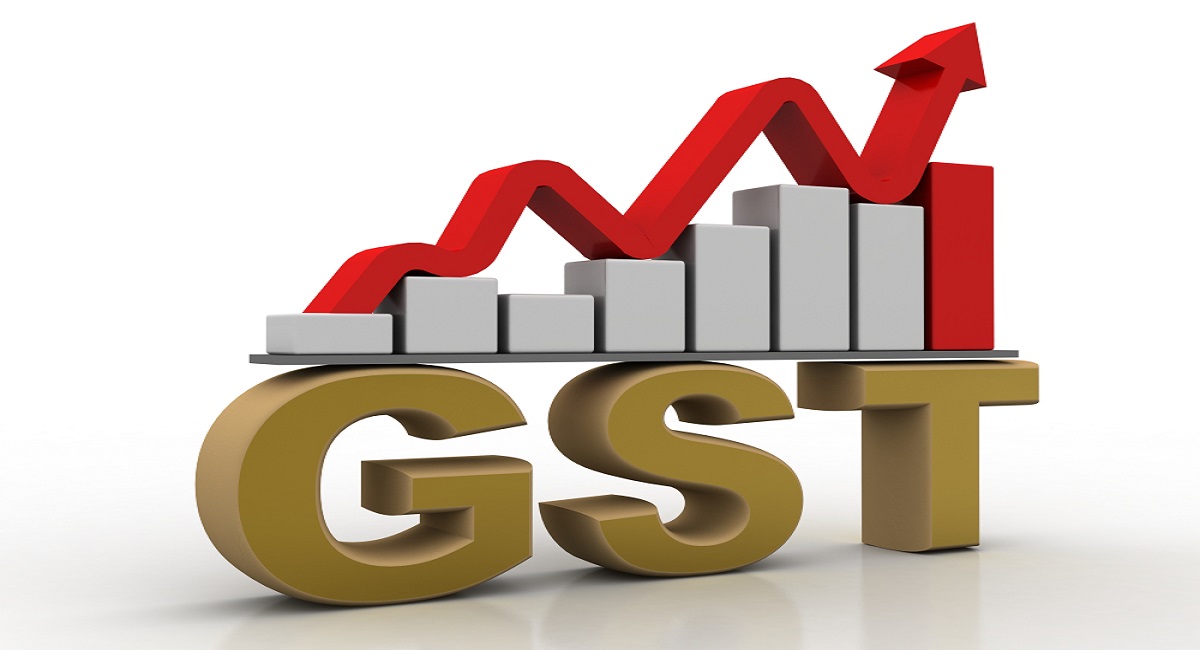
Despite eight years since GST implementation, no official government statistics exist on registered GST Practitioners, even though the legal framework and registration process are well-established. However, industry data reveals approximately 1.3 million tax professionals (formal and informal) now serve India’s 15.2 million GST taxpayers, with the consulting market estimated at $7+ billion annually. The sector is dominated by 159,557 practicing Chartered Accountants alongside hundreds of thousands of unregistered consultants, growing at 8-11% annually since 2017.
This data gap contrasts sharply with comprehensive government reporting on GST revenue and taxpayer statistics. While the GST Network tracks registrations and collections meticulously, practitioner enrollment numbers remain unpublished across all government portals, reports, and statistical releases. Understanding this consulting ecosystem requires piecing together data from professional bodies like ICAI, market research firms, and industry analyses rather than relying on a single authoritative source.
Official GST Practitioner data: a conspicuous absence
The research revealed a striking finding: registered GST Practitioner statistics are not publicly available from any government source, despite the existence of a formal enrollment framework under Section 48 of the CGST Act, 2017. The GST Portal maintains a searchable database of individual practitioners through its “Find a GST Practitioner” tool, but aggregate enrollment numbers are never published.

Extensive searches across the GST Portal, GST Council, NACIN (National Academy of Customs, Indirect Taxes and Narcotics), CBIC (Central Board of Indirect Taxes and Customs), Ministry of Finance, and Press Information Bureau found detailed information about the registration process, eligibility criteria, and examination requirementsâbut zero statistics on total enrollments, state-wise distribution, or historical growth trends. This contrasts dramatically with GST taxpayer data, which is regularly updated and published with comprehensive breakdowns.
The GST Practitioner framework requires applicants to pass a NACIN-conducted examination within two years of enrollment, with exams held twice yearly since 2018. However, neither exam candidate numbers nor pass rates are publicly disclosed. The system recognizes multiple professional qualifications as eligible, including Chartered Accountants, Company Secretaries, Cost Accountants, commerce/law graduates, and retired government officialsâyet no consolidated count exists across these categories.
Possible explanations for this data gap include separate tracking by Central and State authorities, making aggregation difficult, privacy considerations around individual practitioner data, administrative separation between enrollment and post-exam certification stages, and limited public interest compared to revenue collection metrics that dominate GST reporting.
Chartered Accountants: the backbone of formal GST consulting
The Institute of Chartered Accountants of India (ICAI) provides the most concrete professional data available. As of February 2025, ICAI reports 407,629 total members, making it the world’s largest or second-largest accounting body. Of these, 159,557 hold Certificates of Practice (39.1%), representing the core of formal GST consulting capacity.
These practicing CAs operate through 98,967 registered firms: 68,125 proprietary firms (68.8%), 27,051 partnership firms/LLPs (27.3%), and 3,791 sole practitioner firms (3.8%). While ICAI does not publish specific breakdowns of members by practice area, industry analysis suggests 70-80% of practicing CAs provide tax services including GST compliance, returns, audits, and advisory work.
ICAI’s response to GST implementation has been comprehensive. The organization conducted training for over 2,000 government officers in GST programs during 2023-24 alone, delivered 160+ batches of its Certificate Course on GST since 2017, and organized 1,432 CPE (Continuing Professional Education) programs on GST in 2023-24âthe largest topic category. Publications include 262+ editions of GST Updates and 57+ e-newsletter editions.
The CA profession has experienced strong growth since GST implementation: 31,946 new CAs qualified in 2024, the highest number since COVID-19, contributing to annual membership growth of 7-8%. ICAI’s ambitious target of 30 lakh (3 million) CAs by 2047 would require 130,000 new qualifications annuallyâfour times the current rateâindicating recognition of massive future demand.
Government recognition of CAs in the GST ecosystem is formal and extensive. CAs are specifically authorized as representatives under Section 116(2) of the GST Act, 2017, eligible to conduct GST audits, and required to certify annual returns (GSTR-9C) for businesses exceeding â¹5 crore turnover. Hon’ble Vice-President of India at GloPAC 2023 specifically recognized CAs’ role in transforming GST from being perceived as complex to becoming a “Good and Simple Tax.”
Market size estimates: a $7+ billion industry serving 15 million taxpayers
Industry research and market analysis provide estimates where government data is absent. The Indian tax consulting market was valued at $6.5 billion (â¹42,500 crore) in 2017, growing 9% to $7.1 billion in 2018 primarily due to GST implementation. A 2017 Consultancy in analysis projected that serving approximately 9 million companies under GST jurisdiction would require 1.3 million new tax consultants.
By 2024-25, the Big Four accounting firms alone (Deloitte, EY, PwC, KPMG) generated combined revenues of â¹38,800 crore (~$4.7 billion) in FY24, projected to exceed â¹45,000 crore (~$5.4 billion) in FY25. Their consulting services, including tax advisory, accounted for over â¹25,000 crore of this total. Individual firm performance shows remarkable growth: EY India reported â¹13,400+ crore (16-17% growth), Deloitte â¹10,000 crore (29% growth), PwC â¹9,200 crore (22% growth), and KPMG â¹5,900-6,200 crore (5.5-10% growth).
The broader India consulting market reached $13 billion in 2024 and is projected to hit $24 billion by 2031 at an 11% CAGR, according to 6Wresearch. Within this, the GST-related technology market is also expanding rapidly: the GST reconciliation software market was valued at $1.5 billion in 2024 with projections of $4.2 billion by 2033 (15.2% CAGR).
Current demand indicators are substantial: India now has over 15.2 million active GST taxpayers as of May 2025, up from 7.8 lakh in the initial 23 days after GST launch in July 2017ârepresenting 19x growth or approximately 9% CAGR over eight years. Monthly GST collections averaged â¹1.84 lakh crore in FY 2024-25, with the highest-ever collection of â¹2.10 lakh crore in April 2024 and second-highest of â¹2.01 lakh crore in May 2025.
The informal consulting sector: an estimated 700,000-900,000 professionals
Beyond registered CAs and formal firms lies a substantial informal consulting ecosystem. Industry estimates suggest 700,000-900,000 informal/unregistered consultants provide GST services, primarily to MSMEs and small businesses in Tier-2 and Tier-3 cities where CA penetration is lower.

This estimate derives from gap analysis: if the total consultant requirement is 1.3 million (2017 industry projection) and formal practitioners number 400,000-450,000 (including 159,557 practicing CAs, Big Four employees, and mid-sized firm professionals), the difference suggests 700,000-900,000 informal practitioners. These include bookkeepers offering GST services, accountants without CA qualification, tax consultants with commerce/law degrees, and part-time advisors.
Market structure thus divides into organized and unorganized sectors. The organized sector includes the Big Four, mid-sized domestic firms (Grant Thornton India, BDO India, Nangia & Company, Dhruva Advisors, BMR Advisors), registered CA firms, and formally enrolled GST Practitioners. The unorganized sector comprises individual consultants, small accounting services, and regional practitioners operating below the registration threshold.
Business directory data supports this scale: IndiaMART lists over 1,000 GST consultant service providers across major cities including Delhi, Mumbai, Bengaluru, Pune, Chennai, Thane, Hyderabad, Ahmedabad, Kolkata, Jaipur, and Gurugram. However, this represents only digitally-listed providers and likely undercounts the total informal market.
The GST registration threshold (â¹20 lakhs for services) and composition scheme (â¹50 lakh threshold) allow many small consultants to operate without GST registration themselves, contributing to difficulty in quantifying this segment. Many serve micro-enterprises and individual proprietors who require basic compliance support rather than sophisticated advisory services.
## Growth trajectory: 173% revenue increase driving explosive consultant demand
GST implementation on July 1, 2017 created an immediate demand shock. The first year saw a 50% increase in indirect taxpayers, adding 3.4 million new registrants beyond those migrating from the old VAT/service tax system. Additionally, 1.7 million businesses below the threshold limit registered voluntarily to claim Input Tax Credit benefits.
Year-by-year GST revenue growth demonstrates market expansion:
| Financial Year | Gross GST Collection | Y-o-Y Growth |
|—|—|—|
| 2017-18 | â¹7.41 lakh crore | Baseline (9 months) |
| 2018-19 | â¹11.77 lakh crore | 59%* |
| 2019-20 | â¹12.22 lakh crore | 3.8% |
| 2020-21 | â¹11.37 lakh crore | -7.0% (COVID impact) |
| 2021-22 | â¹14.83 lakh crore | 30.5% |
| 2022-23 | â¹18.08 lakh crore | 21.9% |
| 2023-24 | â¹20.18 lakh crore | 11.6% |
| 2024-25 | â¹20.13 lakh crore | 9.4% (est.) |
*Not directly comparable due to partial first year
This represents 173% growth from 2017-18 to 2023-24, with collections stabilizing at sustained 9-11% annual growth rates. The cumulative total exceeds 162 crore GST returns filed since implementation, each requiring professional preparation or review for most businesses.
Professional services sector response was immediate and aggressive. In 2017-18, the Big Four expanded rapidly: Deloitte added 20 partners from KPMG to reach 75 tax advisory partners, EY deployed 125 partners in tax advisory, KPMG maintained 250 advisory partners with plans for 15-20 additions, and PwC operated 113 partners. By 2024-25, Big Four firms planned to hire 100,000 people collectively, with Deloitte targeting 40,000-50,000 new employees, PwC adding 30,000 over five years, and KPMG recruiting 20,000 over 2-3 years.
GST has fundamentally reshaped CA practice. Pre-GST, service tax applied only to the services sector; post-GST, indirect tax compliance affects virtually all businesses with turnover above â¹20 lakhs. Industry data indicates GST now represents 30-40% of practice revenue for many CA firms, compared to the relatively minor role of service tax previously. All 98,967 registered CA firms now offer GST services as standard.
Geographic concentration: the top 5 states account for 54% of collections
State-wise GST collection data for FY 2024-25 (till February 2025) reveals extreme geographic concentration:
| State | GST Collection | YoY Growth | % of Total |
|—|—|—|—|
| Maharashtra | â¹3,28,321 crore | 12% | 21.5% |
| Karnataka | â¹1,46,066 crore | 10% | 9.6% |
| Gujarat | â¹1,24,654 crore | 10% | 8.2% |
| Tamil Nadu | â¹1,19,320 crore | 8% | 7.8% |
| Haryana | â¹1,08,714 crore | 16% | 7.1% |
| Uttar Pradesh | â¹1,02,256 crore | 10% | 6.7% |
| Delhi | â¹70,863 crore | 17% | 4.6% |
| West Bengal | â¹61,065 crore | 7% | 4.0% |
| Telangana | â¹57,586 crore | 6% | 3.8% |
| Odisha | â¹55,119 crore | 11% | 3.6% |
The top 5 states alone account for 54% of national GST collections, indicating where the highest density of consulting demand exists. Fastest-growing states include Haryana (16%), Delhi (17%), and Bihar (16%), suggesting emerging markets for consultant expansion.
Taxpayer distribution by state (July 2020 data) shows Maharashtra leading with 1.56 million taxpayers (12.6%), followed by Tamil Nadu (~1.1 million, 8.9%), Uttar Pradesh (~1.05 million, 8.5%), Gujarat (~1.0 million, 8.1%), and Karnataka (~950,000, 7.7%). These concentrations correlate directly with economic activity: Maharashtra hosts financial services and manufacturing hubs in Mumbai and Pune, Karnataka centers IT services in Bangalore, Gujarat dominates manufacturing and chemicals in Ahmedabad and Surat, Tamil Nadu leads in automobiles and textiles around Chennai, and Haryana benefits from the Gurugram-Delhi NCR corporate cluster.
Metropolitan concentration is pronounced. Tier-1 citiesâMumbai, Bangalore, Delhi-NCR, Chennai, Ahmedabad, Pune, Hyderabadâhost the vast majority of Big Four offices, mid-sized consultancies, and leading CA firms. However, 15% of new Global Capability Center (GCC) mandates shifted to Tier-2 cities in 2023-25, with Pune, Ahmedabad, and Chandigarh seeing increased GST consultant presence driven by cost arbitrage.
Regional practice characteristics differ significantly. North India is projected to capture the largest accounting software market share by 2030 with hubs in Delhi, Gurugram, Noida, and Chandigarh. West India, particularly Mumbai and Gujarat, focuses on manufacturing and trading. South India concentrates on IT services (Karnataka, Telangana) and automobile manufacturing (Tamil Nadu) with strong compliance culture. East and Central India represent smaller but growing markets, with Kolkata, Jharkhand, and Odisha showing steady development.
Key growth drivers: complexity, formalization, and digitalization
Regulatory complexity remains the primary demand driver. GST features multiple tax slabs (0%, 5%, 12%, 18%, 28%, plus cess), frequent rate changes and amendments, e-invoicing mandates (extended to â¹5 crore+ businesses in January 2025), Input Tax Credit reconciliation requirements, and the dual CGST/SGST/IGST structure. Compliance obligations include monthly/quarterly returns (GSTR-1, GSTR-3B), annual returns and reconciliation statements (GSTR-9, GSTR-9C), e-way bill generation, and Reverse Charge Mechanism compliance.
Economic formalisation accelerated dramatically post-GST. The 50% increase in indirect taxpayers in the first year, adding 3.4 million registrants, demonstrates the shift from informal to formal economy. 1.7 million voluntary registrations by sub-threshold businesses seeking Input Tax Credit benefits further indicates formalization incentives. Current estimates suggest 31% formal payroll under social security definitions, 53% under GST net definitions, with 13% of estimated 71 million non-agriculture enterprises now registered under GST.
Digital transformation creates continuous consulting demand. The end-to-end digital GST system (GSTN platform), e-invoicing, e-way bills, automated return filing, AI/ML-based analytics, and biometric Aadhaar authentication require professional implementation support. Technology consulting commands 51.63% of the accounting professional services market, covering ERP migration, GST software integration, cloud-based accounting solutions, and cybersecurity advisory.
Inter-state trade facilitation expanded significantly. India’s internal trade in goods and services represents approximately 60% of GDP, with inter-state trade volumes significantly exceeding pre-GST estimates. The unified national market eliminates state border checks, reduces logistics costs and transit times, but requires multi-state registration support, place of supply determination, IGST vs. CGST/SGST optimization, and supply chain restructuringâall consultant-intensive activities.
SME and startup growth drives middle-market consulting. Threshold-exempt businesses increasingly opt for voluntary registration, startups require GST compliance from inception, and government initiatives (Startup India, Make in India) accelerate business formation. India’s digital economy is projected to reach $1 trillion by 2025, creating continuous demand for registration, initial compliance, tax planning, software selection, and training services.
Global Capability Centers (GCCs) and MNCs represent the high-value consulting segment. India hosts 1,580 GCCs (FY 2023) generating $46 billion in exports, projected to reach $110 billion by 2030, with 24 centers exceeding $1 billion revenue in FY 2024. These require sophisticated services: “capability-center-as-a-service” models, transfer pricing and GST integration, dual compliance (India plus home country), and shared services accounting.
Government enforcement intensification creates defensive consulting demand. Data analytics and AI for tax evasion detection, fake Input Tax Credit and shell company crackdowns, registration suspensions/cancellations, mandatory e-invoicing expansion, and integration with ICEGATE (customs) and FASTag (logistics) drive demand for compliance audits, GST litigation and dispute resolution, voluntary disclosure and rectification, and representation before authorities.
Future outlook: 8-11% CAGR through 2030 with technology disruption
Market growth projections remain robust across multiple segments. The India accounting professional services market is forecast at 8.5% CAGR through 2030, with GST reconciliation software growing at 15% CAGR and technology consulting for GST at 8.41% CAGR. GST collections are projected to reach â¹22+ lakh crore in FY 2025-26 with monthly averages of â¹1.8-2.0 lakh crore and continued 7-10% annual growth.
Emerging opportunities include GST 2.0 reforms (proposed rate rationalization merging 12% and 18% slabs, simplified return filing systems, enhanced automation and AI integration, expanded product coverage), new service areas (ESG and sustainability reporting integration, blockchain for GST compliance, predictive analytics for tax planning, cross-border e-commerce taxation), and geographic expansion into Tier-2/Tier-3 cities with rural formalization initiatives and regional language support services.
Challenges ahead include market saturation risk from cloud-based DIY software (Tally, Zoho, QuickBooks) priced under â¹12/month, commoditization of routine compliance services, and price pressure on low-complexity assignments. Talent requirements demand tech-savvy tax professionals, continuous training on regulatory changes, and multi-disciplinary skills combining tax, IT, and data analytics. Regulatory uncertainty from frequent policy changes, state-level implementation variations, and litigation backlogs creates planning difficulties.
Technology disruption potential is significant. In 2024, 44% surge in remote consulting occurred with 58% of advisory interactions now virtual. 21% of firms are integrating AI for GST compliance automation. The accounting software market shows rapid cloud adoption, with North India projected to lead market share by 2030 due to increased IT spending. Quick commerce and e-commerce are driving indirect tax complexity, requiring sophisticated technology solutions.
Professional supply constraints may emerge. To reach ICAI’s target of 30 lakh (3 million) CAs by 2047, the institute needs 130,000 new qualifications annuallyâmore than four times the current rate of 31,000-32,000. Current growth of 7-8% annually is insufficient, suggesting either supply constraints will limit formal consulting capacity or alternative professional pathways (Company Secretaries, Cost Accountants, specialized GST certifications) will fill the gap.
Conclusion: a massive sector operating in statistical shadows
India’s GST consulting sector represents a $7+ billion industry employing approximately 1.3 million professionals (formal and informal) serving 15.2 million taxpayers, yet remarkably lacks official government enumeration. The absence of published statistics on registered GST Practitioners despite a formal regulatory framework represents a significant data gap in understanding India’s professional services economy.
What we know with confidence: 159,557 Chartered Accountants hold Certificates of Practice (February 2025) and most provide GST services through 98,967 registered firms. The Big Four generate approximately $5.4 billion annually (FY25 expected) with sustained 20%+ growth. ICAI delivered 1,432 GST-focused CPE programs in 2023-24 alone, trained over 2,000 government officers, and conducted 160+ Certificate Course batches since 2017. GST taxpayer registrations grew 19x from 780,000 (July 2017) to 15.2 million (May 2025), while collections increased 173% from â¹7.4 lakh crore (2017-18) to â¹20.2 lakh crore (2023-24).
What we estimate with reasonable confidence: Total consulting professionals number 1.3 million (2017 industry projection remains relevant), split between 400,000-450,000 formal practitioners (CAs, Big Four, organized firms) and 700,000-900,000 informal consultants serving smaller businesses. The market grew 18% from 2016-2018 during GST implementation and continues at 8-11% CAGR. Geographic concentration mirrors economic activity, with top 5 states (Maharashtra, Karnataka, Gujarat, Tamil Nadu, Haryana) accounting for 54% of collections.
Critical data gaps persist: exact numbers of registered GST Practitioners, state-wise practitioner distribution, NACIN exam participation and pass rates, formal vs. informal market segmentation, year-by-year historical practitioner growth, and revenue contribution by consulting category (compliance vs. advisory vs. litigation). These gaps prevent precise workforce planning, educational program design, or regulatory policy optimization.
The sector’s evolution follows four distinct phases: implementation chaos with massive consultant hiring (2017-2019), COVID disruption accelerating digitalization (2020-2021), stabilization with technology integration and compliance maturity (2022-2024), and the emerging GST 2.0 era featuring AI/ML adoption, advisory-led services, and Tier-2 expansion (2025+). Each phase has reshaped professional requirements and market structure.
For businesses, this research confirms both opportunity and uncertainty: demand for GST services remains strong and growing, supported by regulatory complexity, economic formalization, and digital transformation imperatives. However, commoditization threatens routine compliance services as DIY software improves, while high-value advisory work requires increasingly sophisticated multi-disciplinary capabilities. The informal sector serves a critical market function but operates with minimal visibility, quality standards, or professional accountability.
For policymakers, the data gap is problematic. Without accurate practitioner counts, authorities cannot effectively plan capacity building initiatives, assess service quality and coverage, identify underserved geographic areas, or evaluate whether professional supply meets compliance demand. The contrast between meticulous GST revenue tracking and complete absence of practitioner statistics suggests a policy blind spot.
Obtaining reliable data would require: filing RTI (Right to Information) applications with GSTN, CBIC, and NACIN; searching Lok Sabha/Rajya Sabha parliamentary question databases; conducting comprehensive ICAI member surveys on practice areas; analyzing individual state GST department registries; or commissioning primary research through market surveys. Until such efforts occur, India’s GST consulting sector remains statistically invisible despite its critical role in the country’s tax administration infrastructure.

Serato DJ Crack 2025Serato DJ PRO Crack
law
4
Berita Olahraga
Lowongan Kerja
Berita Terkini
Berita Terbaru
Berita Teknologi
Seputar Teknologi
Berita Politik
Resep Masakan
Pendidikan